

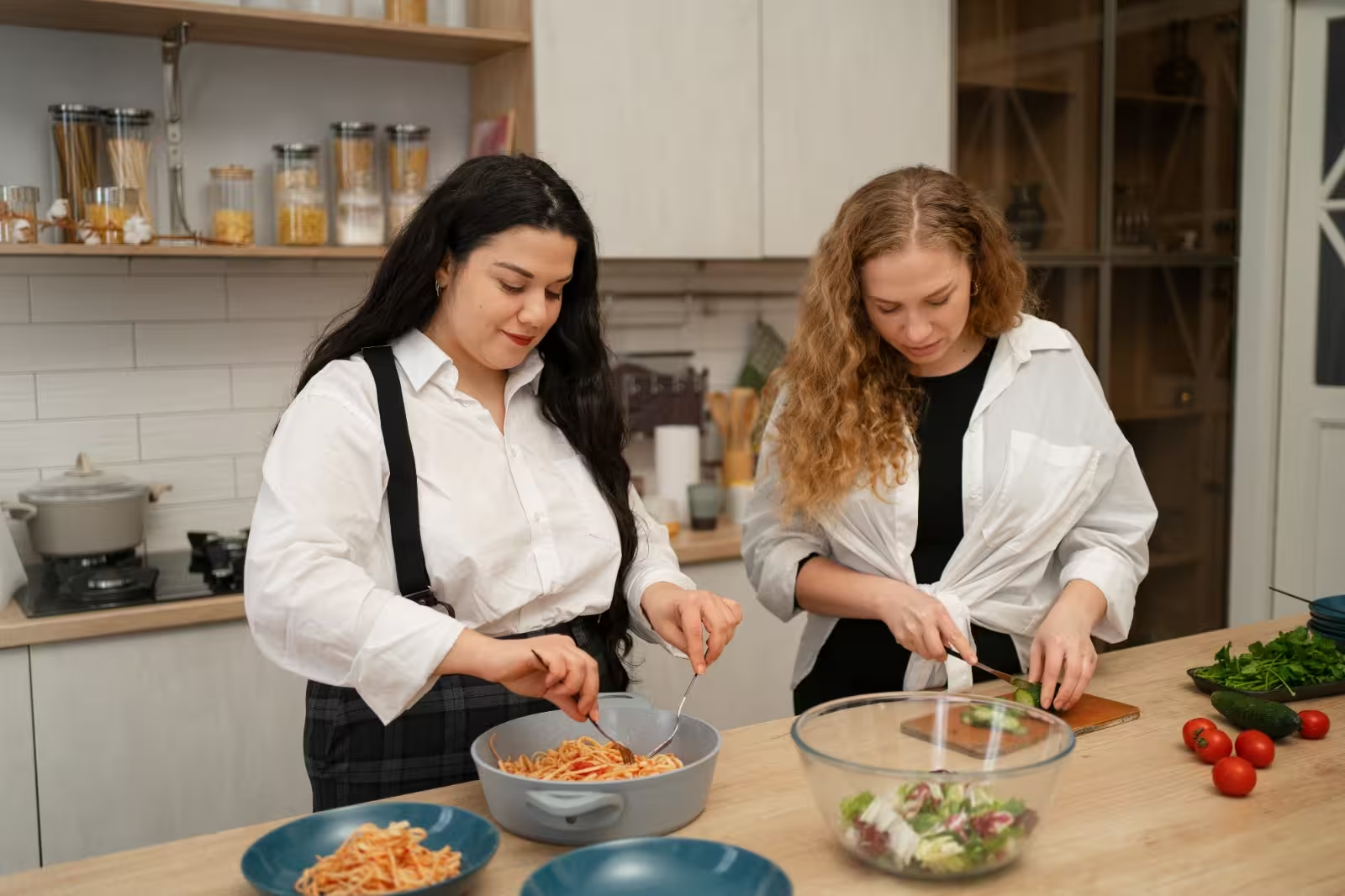
There’s something thoroughly fulfilling about preparing meals. Whether it’s the aroma of freshly baked bread, the sizzle of seasonings in hot oil, or the quiet joy of presenting a dish just right, meal-making is more than a task. For many, it’s a passion.
But what if your cooking space could be more than just a place of comfort?
What if it could become a profit source?
The idea of turning your cooking expertise into profit might sound challenging at first. You may think, “I’m not a culinary expert,” or “There are too many competitors.” But the truth is, you don’t need a fancy degree or a restaurant to get started. What you really need is clarity, high standards, and a drive to begin.
Start With What You Know
You don’t have to be an expert in every cuisine. In fact, it’s better if you don’t.
Start from your own kitchen. Take small orders. Test your process. Learn how long things take to make, how much ingredients cost, and how to manage your time.
Perhaps begin with:
- What do people ask me to cook again and again?
- What can I do consistently well?
That’s your starting point.
Find Your Audience
Not everyone needs to be your customer. Focus on a small group first.
It could be:
- Office workers looking for home-cooked meals
- Students who miss homemade food
- Health-conscious people wanting clean, simple meals
When you try to present to everyone, you end up engaging with no one. But when you focus on a target audience, your work feels more personal and more valuable.
Start Small, Think Practical
You don’t need a big investment to begin.
Start from your own kitchen. Take limited orders. Test your process. Learn how extended things take, how much ingredients cost, and how to manage time.
Maybe you begin with:
- Weekend orders only
- Pre-orders instead of daily cooking
- Limited menu options
This helps you stay in control while you learn.
Build Trust Before Scaling
In the beginning, your biggest asset is trust.
Deliver on time. Maintain hygiene. Be consistent with taste and quality. Even if you have just 5 customers, treat them like your business depends on them because it does.
Happy customers don’t just return. They bring others with them.
Use Social Media Smartly
You don’t need to be an influencer, but you do need visibility.
Share:
- Photos of your dishes
- Short cooking videos
- Customer feedback
- Behind-the-scenes moments
People don’t just buy food. They buy the story behind it. Let them see your process, your effort, and your passion.
Price With Confidence
One common mistake beginners make is underpricing.
Remember, you’re not just selling ingredients, you’re selling:
- Your time
- Your skill
- Your effort
Calculate your costs properly and add a fair margin. If your quality is good, people will pay for it.
Learn & Adapt
Your first few months will teach you more than any plan.
You’ll make mistakes. Some dishes won’t sell. Some days will feel overwhelming. That’s part of the process.
Pay attention to:
- What people order most
- What feedback they give
- What works for you and what doesn’t
Passion is the Starting Point, Not the Finish Line
Enjoying cooking is just the start; turning it into revenue calls for strategy and discipline. Passion in the kitchen is vital, but monetising your skills depends on consistent effort and focus.
There will be days when you don’t feel like cooking. Days when orders feel like pressure instead of joy. That’s when you shift from “just passion” to “professional mindset.” Because in the end, passion gets you started, but consistency builds profit.
Turning your kitchen skills into a business isn’t about becoming perfect overnight. It’s about starting where you are, using what you have, and improving as you go. Your kitchen already holds potential. The question is, are you ready to use it?
FAQ
Q1: How do I find the right audience for my cooking business?
Ans: Not everyone will be your customer. Start by targeting a small, specific audience, such as:
- Office workers seeking home-cooked meals
- Overseas students that are missing homemade food
- Health-conscious individuals looking for clean, simple meals
Focusing on a niche makes your offering more personal, valuable, and easier to market.
Q2: What’s the best way to start small when monetising cooking skills?
Ans: Begin in your own kitchen with small orders. Options include:
- Weekend orders only
- Pre-orders instead of daily cooking
- Limited menu to focus on quality
This approach lets you test processes, manage costs, and maintain control while learning how to run your food business.
Q3: How do I adapt my cooking business as I grow?
Ans: Learn from experience. Track:
- Most popular dishes
- Customer feedback
- What works and what doesn’t
Adjust your menu, process, and offerings accordingly. Continuous improvement is key to building a successful food business.