

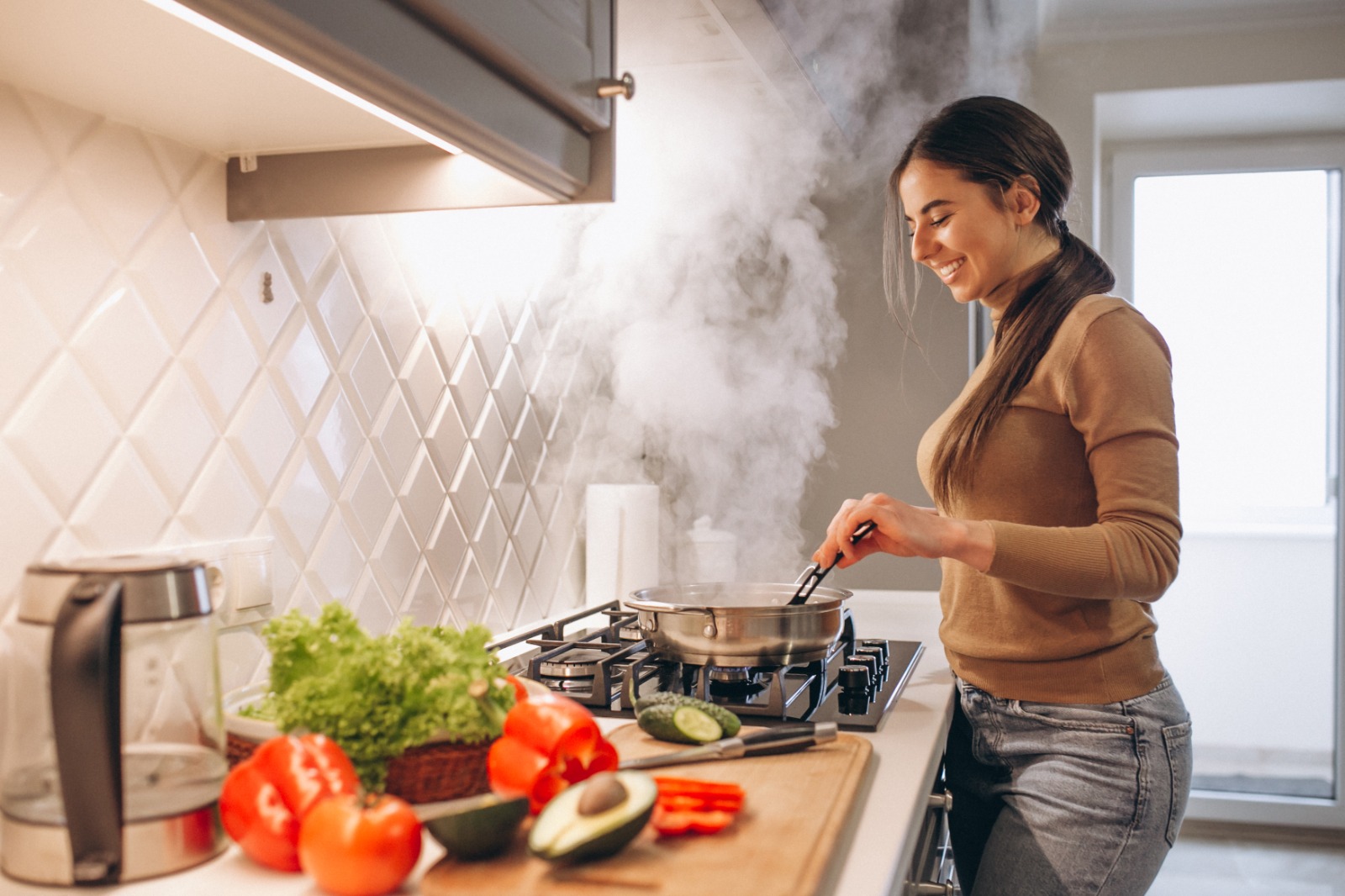
There’s a moment most of us have experienced… you walk into someone’s kitchen, and the smell hits you before you even sit down. Not the sterile, synthetic waft of a fast-food counter. Something warmer. Something that reminds you of Sunday afternoons and your grandmother’s hands. That smell is trust. And it’s something no commercial food chain has ever been able to bottle.
As dining habits shift across the world, more people are turning away from fluorescent-lit fast food and polished chain restaurants, not because the food is necessarily bad, but because something is missing. That something is the human element. And that’s exactly what platforms like WeCook are bringing back to the table.
Why Homemade Food Is Becoming a Standard for Quality and Trust
Walk into any chain restaurant today, and you’ll find consistency!
The same burger in London tastes almost identical to one in Manchester. This consistency is a business achievement. But it comes at a cost.
Commercial food production runs on speed, scale, and shelf life. Ingredients are often pre-processed, sauces come in industrial sachets, and cooking is standardised to the point where no single person’s hands ever really “make” your meal. You eat, but you don’t quite feel fed.
Home cooks operate differently. When someone cooks from their own kitchen:
- They source ingredients they personally trust.
- They adjust recipes based on who they’re feeding.
- They cook with attention because reputation, not a corporate brand, is on the line.
- They use spices, techniques, and family recipes that carry generations of refinement.
The result isn’t just food. It’s a meal with a story. And increasingly, people are choosing that story over a logo.
Studies in food behaviour consistently show that people associate homemade food with better nutrition, cleaner ingredients, and emotional well-being. The rise of home cook platforms isn’t a trend, it’s a response to a genuine gap in how people want to eat.
The Human Side of Dining: What Commercial Food Chains Can’t Offer
Commercial kitchens are engineered for volume. Hundreds of meals per hour, trained staff rotating shifts, timers replacing intuition. There’s no room in that system for a cook to think, “This person mentioned they prefer less salt,” or “It’s cold today, I’ll add a little more ginger.”
Home cooks hold that room. That flexibility is where the trust lives.
Consider what a home cook actually offers:
Transparency you can feel: When someone invites you into their culinary world, even digitally, there’s an inherent accountability. You know who made your food. You can ask questions. You can go back.
Cultural authenticity: A professional chef from WeCook, preparing your weekly meals, brings years of culinary expertise and a passion for fresh, wholesome food to the table. A grocery store chain offering ‘ready-made meals’ brings artificial preservatives, a standardized flavor profile, and a marketing budget. The difference is unmistakable on the tongue.
Dietary personalisation: Home cooks adapt. They know what ingredients they’re working with and can accommodate requests, for example, fewer allergens, less oil, more vegetables, in ways that industrial kitchens simply aren’t designed to handle.
Emotional connection: Food cooked with intention tastes different. That’s not sentimentality.
It’s reflected in how diners describe the experience. Words like “comforting,” “real,” and “like home” appear again and again. No chain has cracked that code, because it can’t be coded.
This is precisely why WeCook exists!
To connect people who cook with love to people who want to eat it.
How Supporting Local Home Cooks Strengthens Communities and Food Culture
When you order from a home cook in your neighborhood, the transaction is about more than a meal. It’s an ecosystem. The money stays local. The skills get recognized. A working parent who makes exceptional, slow-smoked jerk chicken on weekends can build a small business. A neighbor with a talent for authentic, heritage recipes can find a new audience. These aren’t side stories, they’re the foundation of a resilient, culturally rich food culture.
Commercial food chains, by contrast, centralise everything. Profits flow upward. Menus are decided in boardrooms far from the kitchens. Local flavors get flattened into what’s considered broadly appealing.
Home cook platforms like WeCook disrupt that flow. They:
- Create economic opportunities for skilled cooks who lack the capital to open restaurants
- Preserve regional recipes and cooking traditions that might otherwise disappear
- Build neighbourhood-level food networks where quality is personal and accountability is direct
- Reduce food miles and packaging waste compared to mass-produced alternatives
When a community eats from its own cooks, it becomes more than a market. It becomes a culture. And cultures built on shared food tend to be stronger, more connected, and more trusting.
Conclusion: The Table Is Turning
There’s a reason your grandmother’s dal tastes better than anything you’ll find on a menu. It’s not nostalgia, it’s care, knowledge, and the kind of pride that no franchise agreement can replicate.
The shift toward home cooks isn’t anti-restaurant. It’s pro-human. It’s a recognition that food is more than fuel, it’s relationship, identity, and memory. Commercial chains can deliver calories. Home cooks deliver connection.
Platforms like WeCook are making it easier than ever to find that connection, whether you’re a home cook ready to share your craft or someone simply tired of eating food that feels like no one made it.
The tables are turning. And it tastes better this way.
Frequently Asked Questions
Q1. Why is homemade food considered healthier than food from commercial chains?
Home cooks typically use fresh, whole ingredients without the preservatives, artificial flavours, or stabilisers common in mass-produced food. They also adjust recipes to individual needs… less oil, less sugar, more vegetables in ways that standardised commercial kitchens are not set up to do.
Q2. How do home-cook platforms like WeCook ensure food safety and quality?
Platforms like WeCook build trust through cook profiles, customer reviews, and community accountability. Unlike anonymous industrial kitchens, home cooks are personally identifiable. Their reputation is directly tied to every meal they prepare, which is a powerful quality incentive.
Q3. Can supporting home cooks really make a difference to local food culture?
Absolutely. When communities eat from local home cooks, money circulates locally, regional recipes are preserved, and cooking as a skill gets recognised and rewarded. Over time, this strengthens both the economic and cultural fabric of a neighbourhood, something no chain restaurant, however well-intentioned, can replicate.