

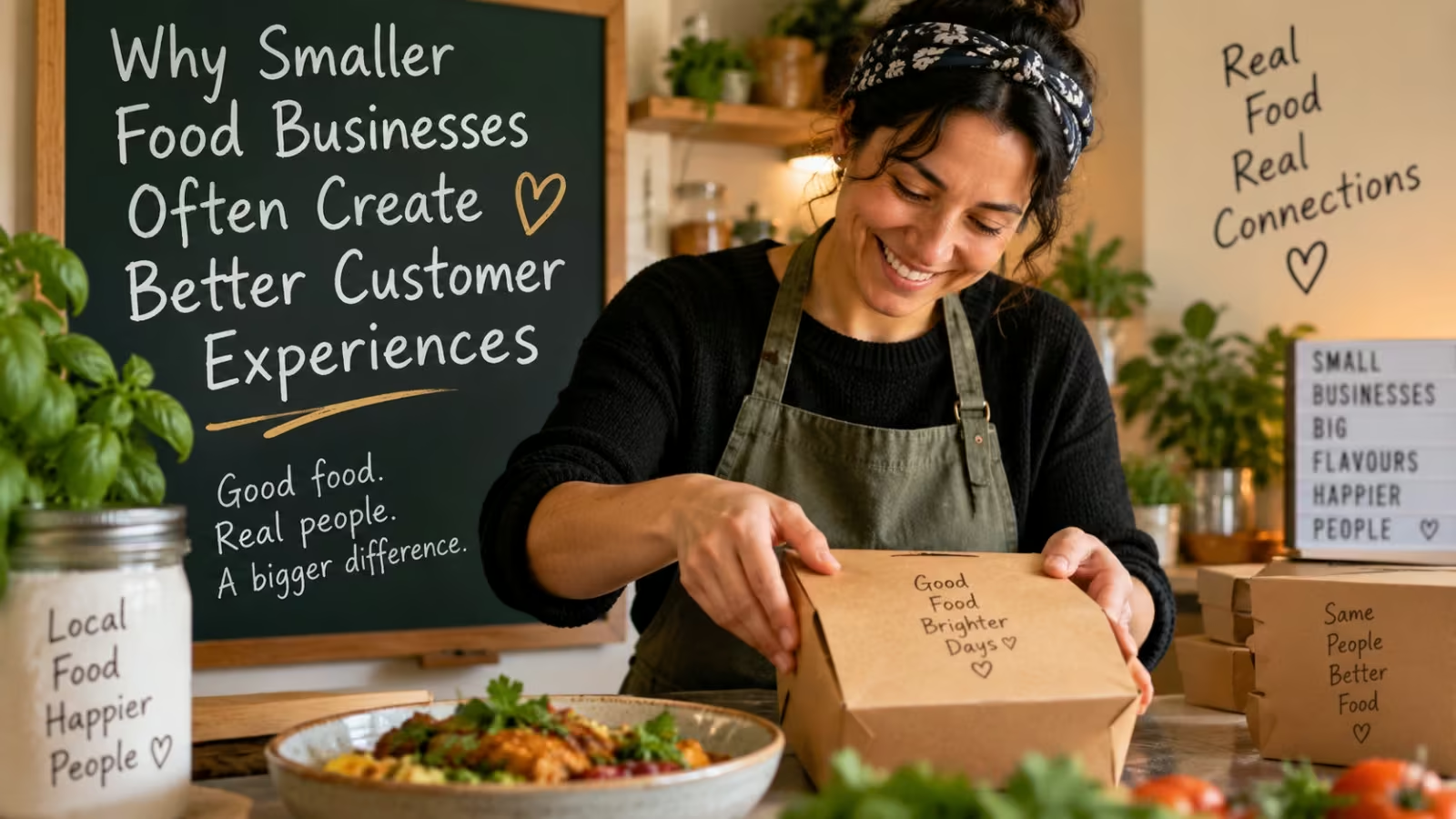
There’s a reason people keep going back to the same home baker or the same neighbour who does incredible curries on a Friday night. It’s rarely just about the food, it’s about how ordering from a small food business actually feels. No hold music, no scripted small talk, no sense that you’re customer number 4,000 that day. Just someone who genuinely cares whether you enjoyed your meal.
t’s worth asking why small food businesses so often outperform big commercial kitchens on customer experience, not just taste. The answer says a lot about where food delivery is heading next.
Your Order Isn’t Lost in the Noise
Big commercial kitchens are built for volume. Hundreds of orders an hour means systems, not sentiment, and yours is just one ticket moving through a line. A home cook might only be making twenty meals that day, which means each one gets actual attention: portions checked by hand, packaging done properly, nothing rushed out the door just to hit a delivery target.
People Remember You, Not Just Your Order Number
Ask anyone who orders regularly from local food sellers and they’ll tell you the same thing, the seller knows them. Your usual order, the fact you asked for extra chilli last time, that you mentioned it was your partner’s birthday. That kind of recall doesn’t come from a CRM system, it comes from someone who genuinely pays attention. It’s the same thread we picked up in How Social Media Is Transforming Homemade Food Brands: people don’t just want a meal, they want to feel known by the person who made it.
You’re Talking to the Cook, Not a Call Centre
One of the quiet superpowers of a home kitchen business is direct communication. Got a question about an allergen, or want to know if a dish can be made milder? You’re messaging the person who actually made it, not routing through three layers of support. Answers come fast, and they come from someone with real knowledge, not a script.
Quality Control Is Personal
Big operations lean on standardised processes to keep things consistent across hundreds of locations. Small businesses lean on pride. There’s no QA checklist telling a home cook their dish is good enough, they taste it themselves and decide if it’s worth putting their name to. That’s a completely different kind of personalised customer service, and customers can taste the difference.
Flexibility That Just Isn’t Possible at Scale
Need a dish without dairy? Ordering for six people instead of two? Small food businesses can often say yes to requests a large kitchen simply isn’t built to handle. That flexibility isn’t a policy, it’s a conversation, and it makes customers feel like more than a transaction.
Trust You Can Actually See
With homemade food, you often know exactly who’s cooking, where, and how, especially on platforms where hygiene ratings, verified badges, and seller profiles are built in rather than buried in small print. That transparency builds a kind of trust that’s hard to manufacture at scale, and it’s a theme we’ve explored before in The Rise of Community-Based Food Businesses: customers increasingly want to know the story behind their food, not just the price of it.
Small Doesn’t Mean Limited, It Means Intentional
None of this is a knock on big food businesses, plenty do a great job. But there’s something a large operation structurally can’t replicate: a home cook who remembers your name, tweaks a dish because you mentioned you liked it spicier, or throws in a little extra just because. That’s not a loyalty programme, that’s just how people treat other people they actually care about.
If you’re a home cook wondering whether that kind of personal touch is a viable business or just a nice-to-have, it’s worth a read of Your Kitchen Is a Business Waiting to Happen, it’s exactly the model platforms like WeCook are built around.
FAQs
Q: Why do small food businesses often provide better customer service than large chains?
A: Small food businesses handle fewer orders, so each one gets more attention. Owners often communicate directly with customers, remember preferences, and can adapt quickly, something large-scale operations aren’t set up to do at the same personal level.
Q: Is homemade food from small sellers safe to order?
A: Reputable homemade food delivery platforms require sellers to register with local councils and often display verified ticks, so customers can have peace of mind before ordering.
Q: How do I find small, local food businesses near me?
A: Platforms built specifically around local food sellers and home cooks, like WeCook, make it easy to browse verified sellers in your area rather than relying on word of mouth or social media alone.
Q: Can small food businesses handle dietary requests and allergies?
A: Yes, often better than large kitchens. Because you’re usually communicating directly with the cook, you can ask specific questions about ingredients or request modifications that bigger operations may not accommodate.
Q: What makes homemade food different from restaurant or chain delivery?
A: Homemade food is typically made in smaller batches with more hands-on care, sourced more locally, and comes with a direct relationship to the person cooking, rather than an anonymous kitchen.
Ready to experience food from someone who actually cares about who’s eating it? Download the WeCook app today and taste the difference a smaller kitchen can make.