

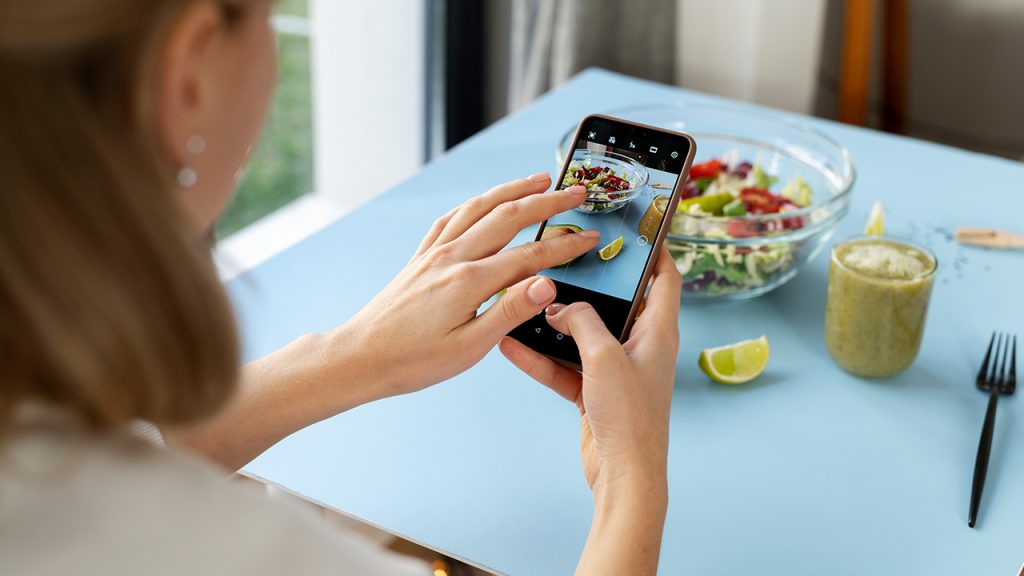
Right now, a massive change is happening in the food world. Not long ago, there was only one way for a chef to become famous. Big names like Gordon Ramsay or Jamie Oliver became household names because they got lucky enough to get a spot on television. Millions of people watched them every week, and that was the only real way to “make it big.” TV networks were the gatekeepers of success.
Social media has completely changed the game. You don’t need a fancy restaurant, a huge advertising budget, or a TV deal to build a food brand. For the first time, the power really is in the hands of ordinary people who cook.
Homemade food brands are seeing a remarkable shift because of this. A home food business that once operated in a quiet suburban street, is now connecting with customers far beyond its neighbourhood. As we highlighted at Join WeCook in our featured article, Your Kitchen Is a Business Waiting to Happen, modern digital storytelling, engaging visuals, and online communities have finally given home cooks the tools to share their passion and build genuine trust with people they’ve never met in person.
Moving from Static Menus to “Digital Cravings”
Traditional food marketing relied on hopes and prayers. Also, a lot of paper menus dropped through local doors. But today, diners are trading physical flyers for seamless digital menus, and social media has transformed the neighborhood kitchen into an interactive, visual stage where your food takes centre stage in glorious, mouth-watering motion.
The modern digital audience demands more than basic labels like “Jerk Chicken” or “Fresh Cinnamon Rolls”. They crave the narrative. They want to observe the steam escaping from a freshly uncovered dish, hear the unmistakable snap of artisan pastry, and follow the slow, satisfying drip of icing on a bespoke bake.
Flavors with a Face, Traditions with a Future
A mother reviving family recipes passed down through generations. A passionate baker turning a weekend hobby into a business. A home chef introducing regional flavors to a new audience.These stories create emotional connections that traditional food marketing often struggles to achieve. Customers are no longer simply buying a meal. They are supporting a person, a tradition, and a craft. As a result, storytelling has become one of the most valuable ingredients in building a homemade food brand.
Every Taste Has a Backstory
Why do people choose to buy from a local home cook over a massive, commercial fast-food chain? It comes down to connection, character, and care.
Beautiful food photography and short-form video content have become powerful tools for homemade food businesses. Consumers often make decisions based on how food looks long before they experience its taste.
Consumers are actively moving away from ultra-processed, faceless convenience foods. They want to know exactly who is cooking their food, where the ingredients come from, and the standard put into every single dish. This honesty is exactly why homemade food earns a kind of devotion big restaurant chains simply can’t buy, no matter how big their marketing budget is. Curious why home-cooked meals turn customers into loyal regulars? It all comes down to trust you can taste.
Testing Menus and Flavor Ideas with Zero Waste
Traditional restaurants spend months and thousands of pounds testing new dishes before launching a permanent menu. But for an agile home cook, the digital world provides a real-time, zero-waste testing ground. As we explore in our guide, Meal Prep Lovers: You’re Sitting on a Business Idea, launching a successful food brand today doesn’t require massive upfront risk. It just requires a receptive local community.
In fact, the biggest shift in 2026 is the growing importance of that very community. Successful homemade food brands are no longer focused solely on chasing large, empty view counts. Instead, they are building deeply engaged networks of loyal customers who return week after week to support local food creators.
People want to feel included. They love sharing feedback, suggesting new recipes, celebrating seasonal dishes, and actively supporting home-based businesses. By inviting your audience behind the scenes to help make product decisions, you transform casual eaters into passionate partners on your culinary journey.
Turning “Scrolls” into Order Conversions Seamlessly
While social media is incredible for building awareness and attracting local fans, managing the actual operational side of the business through chaotic direct messages and messy chat lists can quickly become a total headache. Taking orders through disjointed WhatsApp messages, tracking bank transfers manually, and organising collection times on scratchpads is where many brilliant cooks burn out.
That is exactly why successful food creators use tools designed specifically for the job. Platforms like WeCook act as the missing bridge. You can use social media to showcase your passion, tell your story, and drop your mouth-watering videos, and then point your followers directly to your WeCook profile to handle the payments, ordering, and pickups professionally.
This digital structure is the exact engine driving The Rise of Community-Based Food Businesses, allowing neighborhood cooks to scale safely without losing the personal, human touch that makes their food so special.
One of the biggest shifts in 2026 is the growing importance of community. Successful homemade food brands are no longer focused solely on attracting large audiences. Instead, they are building engaged communities of loyal customers who return repeatedly.
People want to feel included. They enjoy sharing feedback, discussing recipes, celebrating seasonal dishes, and supporting local food creators.
Many home chefs are creating spaces where customers become part of the journey. They ask for menu suggestions, involve their audience in new product decisions, and share stories from their kitchens.
Trust Is Built Through Transparency
Modern consumers are asking more questions about what they eat.
Where do ingredients come from?
How is the food prepared?
Homemade food brands are uniquely positioned to answer these questions because transparency is often built into their business model.
Customers can see the people behind the food. They can learn about ingredient sourcing, preparation methods, and cooking philosophies. This openness creates confidence and strengthens customer relationships. In many cases, transparency becomes just as important as taste.
Educational Content Is Creating Better Food Communities
Another incredible trend we are seeing in 2026 is the massive rise of educational food content. Today, people don’t just want to buy food, they love learning kitchen techniques, secret recipes, and ingredient tips directly from experienced home chefs.
At Join WeCook, we believe that sharing this knowledge is the ultimate superpower for food creators. It builds instant credibility while giving genuine value to your audience. A simple cooking tip can spark an online conversation, a recipe demonstration can inspire someone to try a new dish, and a story about traditional ingredients can introduce people to unfamiliar cuisines. The result is exactly what we are building together at Join WeCook: a richer, more engaged food community where learning, sharing, and growing go hand in hand.
Is It Your Turn to Begin?
If you are a passionate cook who constantly receives compliments from friends, family, and colleagues, you are closer to a thriving business than you think. Whether you are a baking enthusiast or one of the many meal prep lovers sitting on a business idea, the tools to succeed are already sitting right in your hands.
There is no need to wait for a massive commercial setup or a huge lump sum of savings. Take a look over these 7 signs you’re ready to start a homemade food business to see if it’s time to take the leap.
The community-based food economy is growing faster than ever, and social media has made the barriers to entry incredibly low. If you’ve been wondering how much you can actually make selling homemade food, the best way to find out is to start sharing your talent.
Remember, the absolute best time to start a home-based food business isn’t some perfect date far off in the future. It’s right now. Show off your culinary skills, capture them on camera, share them with your neighborhood, and use our comprehensive step-by-step guide on how to turn home cooking into a side income to transition smoothly from passion to profit by monetising your kitchen skills.
Your neighborhood is scrolling, and they are hungry for honest, authentic food. Download the WeCook app today, set up your marketplace profile, and let your community see exactly what’s cooking in your kitchen!