

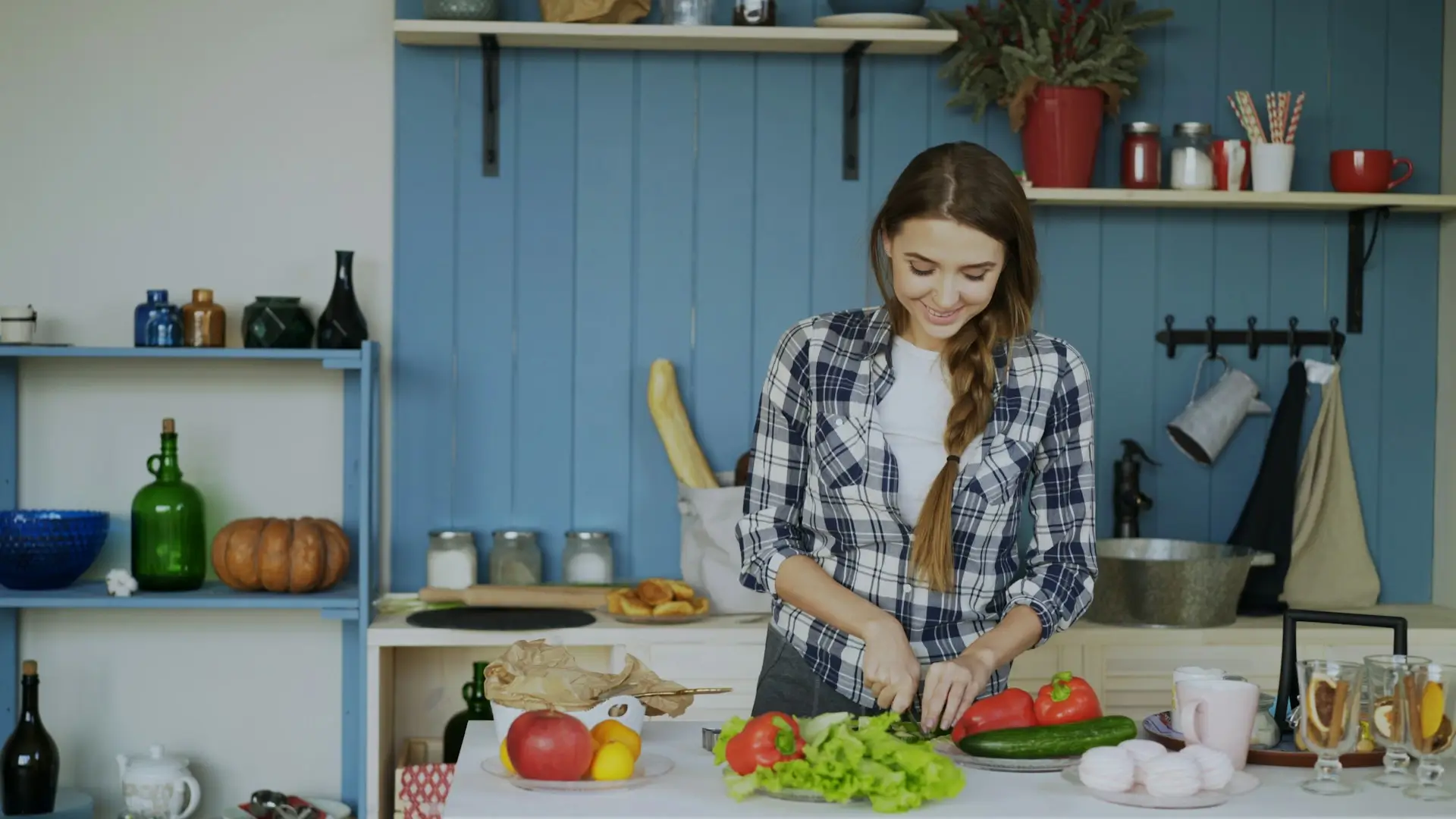
There is something deeply ironic about the way people view homemade food.
Someone can spend years perfecting recipes, learning flavors instinctively, cooking meals people genuinely crave, and still hesitate to call it a business. Meanwhile, people with far less skill launch brands every day simply because they decided to treat what they do seriously.
That hesitation is exactly why so many talented home cooks underestimate what their kitchen is actually worth.
Because the truth is, selling homemade food is no longer just a casual side hustle people experiment with for fun. It has quietly become one of the fastest-growing forms of independent business. And the reason is simple: people are looking for food that doesn’t feel like packed food.
Customers want food with personality.
They want meals that feel real. Desserts that taste fresh and homemade. Recipes with stories behind Customers want food with personality.
They want meals that feel real. Desserts that taste fresh and homemade. Recipes with stories behind them. They want comfort, familiarity, freshness, and trust. In many ways, the rise of homemade food businesses says a lot about where consumer habits are heading. People are moving away from mass-produced experiences and looking for things that feel more human.
- That shift has created a huge opportunity for home cooks.
- And yet, most people still ask the same question before they start:
- “Can you actually make good money from this?”
- Yes. Much more than most people think.
The homemade food market has grown rapidly over the last few years, especially as delivery culture has changed how people discover and order meals. These days, consumers are becoming more comfortable buying directly from independent food creators rather than relying only on large food chains. In fact, small food businesses often build stronger customer loyalty because people feel emotionally connected to the person behind the food.
That matters more than ever.
When someone orders from a home cook repeatedly, they are not just buying convenience. They are buying consistency. They are buying comfort. They are buying the feeling that someone actually cares about what they are eating.
And people happily pay for that feeling.
What makes homemade food businesses especially powerful is that they start differently from traditional businesses. Most businesses require a biggest investment before they make a single sale. Homemade food businesses often begin with tools you already own, recipes you already know, and skills people around you have probably appreciated for years.
The gap between “I love cooking” and “I make money cooking” is far smaller than people imagine.
Some people begin with a few weekend cake orders. Others start by preparing weekly meals for busy professionals nearby. Some become known for comfort food, others for vegan baking, artisan bread, fresh pasta, or family recipes that customers cannot find anywhere else.
The interesting part is that success rarely comes from trying to do everything.
The home cooks who grow the fastest are usually the ones who become unforgettable for one thing.
People remember the brownies they could not stop thinking about. The lasagna someone recommended three separate times. The homemade dumplings that sold out every weekend. Customers do not return because a menu has fifty options. They return because one dish made an impression strong enough to remember.
And once repeat customers begin showing up consistently, everything changes.
That is when homemade food stops feeling like a hobby and starts feeling like momentum.
One of the biggest misconceptions about food businesses is that profit only exists at restaurant scale. But home cooks often operate with advantages restaurants do not have:
- Lower overhead
- Smaller batches
- More flexibility
- Direct relationships with customers
- The ability to adapt quickly without layers of management or massive operational costs
That flexibility matters enormously.
A restaurant may need hundreds of customers every week just to survive. A home cook with a loyal customer base can build meaningful income far more efficiently. Some people earn extra monthly income to support their lifestyle. Others eventually replace full-time jobs entirely.
And unlike many modern side hustles, cooking creates something tangible. Something immediate. Something people genuinely appreciate.
-The platform was built around a very simple idea: people want better food experiences, and talented home cooks deserve a direct way to reach customers without needing a restaurant or huge startup capital.
It is not just another delivery app filled with chain restaurants and generic menus. It is a marketplace built around real cooks, real kitchens, and real stories.
That distinction matters because customers increasingly care about who made their food. Transparency has become valuable. Trust has become valuable. Personality has become valuable.
And homemade food naturally delivers all three.
Of course, making money from food still requires consistency. Passion alone is never enough. The people who succeed usually understand that reliability is just as important as talent. Customers remember when food arrives on time. They remember the presentation. They remember communication. They remember quality staying consistent, order after order.
In many ways, trust becomes the real product.
The good news is that trust compounds. Every positive experience builds another layer of reputation. Every returning customer makes the next sale easier. Every review creates social proof that pushes the business forward without expensive advertising.
That is how many successful food businesses quietly grow – not through viral moments, but through consistency repeated over time.
And honestly, that is encouraging.
Because it means success is not reserved for celebrity chefs or professionally trained cooks. It belongs to people willing to start before everything feels perfect.
The internet has completely changed what small businesses can become. Twenty years ago, selling homemade food at scale was difficult because discovery was limited. Today, platforms, delivery systems, and social sharing allow talented cooks to build audiences directly from their own kitchens.
The barriers have dropped dramatically.
- You no longer need a traditional storefront to build a customer base.
- You no longer need investors to test demand.
- You no longer need a commercial setup to prove to people what you make.
What you need is consistency, quality, patience, and the willingness to stop treating your talent like “just a hobby.”
Because there is a real difference between cooking for compliments and cooking for profit.
And sometimes, the only thing separating the two is deciding to begin.
WeCook is available on both iOS and Android. Download the app, set up your profile, and turn your kitchen into a real business – start today.